Choosing the Right Masonry Contractor: Professional Work for Your Home's Foundation
Selecting the right masonry contractor is essential for ensuring the integrity of a home's foundation. A contractor's certifications, background, and communication skills are critical factors in the hiring process. Homeowners must consider multiple important factors before reaching a decision. Grasping these considerations can assist in avoiding costly oversights. What should be prioritized when evaluating potential candidates? The answers may surprise you.
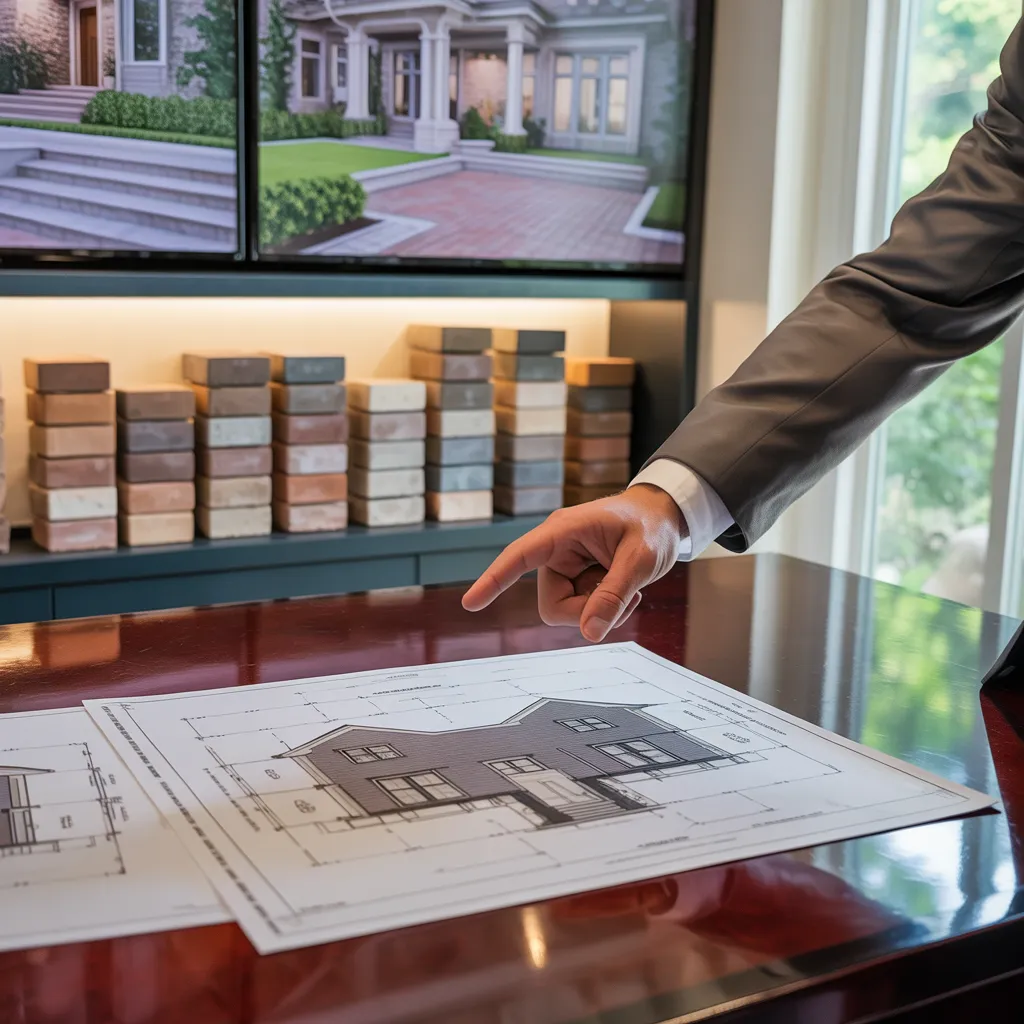
What Requirements Should Your Masonry Contractor Meet?
When selecting a masonry contractor, it is important to assess their background to ensure quality workmanship. A skilled contractor should have proper licensing and insurance, which covers both the homeowner and the contractor in case of accidents or damages. Credentials from established trade associations can also reflect a contractor's expertise and commitment to best practices. Experience in the field is another key credential; a seasoned contractor is likely to have a collection of completed work examples. Reviews and references from previous clients provide understanding of the contractor's dependability and standard of craftsmanship. Additionally, a thorough understanding of applicable codes and compliance guidelines confirms that all work meets regional requirements. By thoroughly examining these credentials, homeowners can arrive at knowledgeable choices, ensuring that their masonry project is executed with exceptional quality.
What Kinds of Masonry Work Should You Be Aware Of?
What types of masonry work are most commonly sought after? Homeowners often require a variety of masonry services to enhance structural integrity and aesthetic appeal. Among the most popular options is brickwork, employed for walls, patios, and walkways, delivering both resilience and visual appeal. Stone masonry is another sought-after service, ideal for creating elegant features such as fireplaces and retaining walls. Concrete masonry is increasingly popular for foundations and structural elements, providing strength and versatility.
In addition, tuckpointing and repointing are essential for preserving the structural integrity of existing brick or stone buildings by restoring damaged mortar joints. Decorative masonry work, including archways and garden features, can also enhance outdoor spaces. Finally, masonry repair services are indispensable for handling wear and damage, promoting durability. Recognizing these different types of masonry work enables homeowners to make well-informed choices when choosing a contractor for their particular needs.
Critical Questions to Pose to Your Masonry Contractor
When hiring a masonry contractor, it is important to inquire about their background and credentials. Understanding the associated costs and project timeline is equally essential for proper planning. Such important questions can help ensure a satisfactory outcome and successful partnership.
Background and Expertise
A qualified masonry contractor can greatly influence the quality and durability of a building project. When selecting a contractor, it is critical to inquire about their background and credentials. Key questions include how long they have been in the field of masonry, whether they hold any relevant certifications, and if they have finished projects similar to yours. Homeowners should also ask for references to assess past work quality and reliability. Additionally, knowing the contractor's commitment to safety and adherence to local building codes is crucial. By diligently reviewing these qualifications, homeowners can guarantee they choose a contractor who possesses the required skills to deliver a durable and reliable foundation.
Project Timeline and Costs
Comprehending the timeline and expenses is crucial for homeowners thinking about masonry services. Homeowners are encouraged to ask about the expected time needed to complete the project, as this can change according to the complexity of the project and contractor scheduling. Furthermore, addressing the possibility of delays caused by weather or material shortages is essential for setting realistic expectations.
Financial transparency is equally essential. Homeowners should ask for a detailed estimate that includes labor, materials, and any additional fees. Understanding payment structures and financing possibilities can also aid in financial planning. Moreover, understanding warranty coverage for both materials and workmanship can provide peace of mind. By addressing these key questions, homeowners can make informed decisions and guarantee a smoother masonry project.
How to Check a Contractor's Experience?
Evaluating a contractor's expertise is essential for guaranteeing superior outcomes. This may be accomplished by verifying relevant certifications, assessing previous work, and asking for industry references. Each of these steps delivers understanding of the contractor's capabilities and reliability.
Check Applicable Certifications
How can someone ensure that a masonry contractor holds the appropriate qualifications? Confirming applicable certifications is vital to this evaluation. A reputable masonry contractor should hold credentials and certifications that reflect their expertise and adherence to industry standards. Prospective clients can start by requesting copies of these documents, ensuring they are current and valid. Additionally, they should check with local licensing boards or trade associations to confirm the contractor's credentials. Certifications from recognized organizations can indicate specialized training and commitment to quality. It can also be worthwhile to explore their commitment to continued learning, as this highlights a contractor's resolve to remain current with evolving techniques and resources. Ultimately, verified certifications offer assurance of a contractor's competence and professionalism.
Examine Previous Projects
In evaluating a masonry contractor's expertise, assessing completed projects is vital. Such a review reveals the contractor's skill level and capacity to manage a range of masonry projects. Future clients ought to inspect a portfolio displaying finished projects, focusing on the quality, aesthetics, and materials employed. It is advisable to identify projects similar to the intended work, as this indicates the contractor's familiarity with particular project demands. Feedback from clients connected to such work can additionally highlight the contractor's dependability and professional standards. Furthermore, inspecting finished locations, where practical, enables firsthand assessment of the contractor's work. In summary, a comprehensive examination of previous work aids in establishing whether the contractor can satisfy the property owner's standards and project goals efficiently.
Consult Industry References
There is no better way to assess a masonry contractor's experience than by seeking professional references? Engaging with previous clients can provide insight into the contractor's work ethic, reliability, and quality of craftsmanship. A wise approach is to request a comprehensive list of references and contact them directly. Inquire about the overall satisfaction with the completed projects, adherence to timelines, and communication throughout the process. Additionally, examining how the contractor handles challenges can reveal their problem-solving abilities. Future clients are encouraged to contact suppliers and fellow professionals in the masonry industry, as they can provide meaningful insights into the contractor's reputation and skill set. These questions will help secure a well-informed decision when it comes to selecting the most suitable masonry contractor.
How to Assess Quotes and Determine the Best Selection
When reviewing quotes from masonry professionals, you should consider key factors that can significantly affect both budget and project quality. To begin, it is important to carefully review the details of each quote, making sure they cover all essential materials, labor costs, and timelines. A lower bid may look enticing but could result in compromised quality or hidden costs.
As a next step, examine the contractor's experience and expertise with similar work. This offers valuable insight into their reliability and ability to deliver quality results. Additionally, verify whether the quotes include service warranties or guarantees, which may signal their confidence in the quality of their work.
Furthermore, communication style cannot be underestimated; a professional contractor who is open and communicative can foster a smoother project experience. By thoughtfully considering these factors, property owners can form sound judgments and select the masonry professional that perfectly suits their objectives and criteria.
Characteristics of a Reputable Masonry Contractor
A view this reliable masonry contractor demonstrates a mix of professionalism, experience, and strong communication skills. One of the clearest indicators is a impressive portfolio highlighting completed projects, which illustrates their craftsmanship and attention to detail. In addition, a reliable contractor will offer references from former clients, giving potential customers the opportunity to evaluate overall satisfaction.
Certifications and licenses serve as essential markers of dependability, as they validate conformity to professional standards and regulations. In addition, a reliable contractor will offer transparent estimates, specifying costs and projected timeframes, fostering trust with clients. Open communication is fundamental; a professional contractor attends to client feedback and offers consistent updates across the duration of the project.
Finally, a dedication to using high-quality materials reflects dedication to long-lasting results. By recognizing these indicators, residents can carefully choose a masonry contractor who will ensure superior craftsmanship for their house's structural foundation.
Answers to Your Most Common Questions
How Long Does It Usually Take to Complete Masonry Work?
Masonry work typically takes anywhere from a few days to several weeks, based on the complexity, size, and weather conditions of the project. Factors such as design intricacy and materials selected can significantly impact the overall timeline for completion.
What Kind of Warranties Should I Expect From My Masonry Contractor?
Generally, a reputable masonry contractor presents warranties covering a period of one to ten years, encompassing both workmanship and material quality. Homeowners should carefully review these warranties, ensuring they understand what is addressed and any restrictions that are applicable.
Are There Any Permits Required for Masonry Projects?
Permits are frequently necessary for masonry work, particularly for structural alterations or new building projects. Regulations vary by location, so consulting local building authorities or the contractor guarantees compliance with all required legal obligations.
How Do Weather Conditions Affect Masonry Work?
Weather conditions greatly impact masonry work. Cold temperatures can slow curing, while excessive heat may cause rapid drying. Wet conditions may weaken structural integrity, necessitating careful planning and timing to ensure optimal outcomes throughout the construction process.
What Ongoing Maintenance Is Required for Masonry After Installation?
Masonry demands consistent care including inspecting for cracks or damage, cleaning, and sealing joints. Promptly addressing moisture issues and maintaining proper drainage can significantly extend the longevity of the structure and preserve its visual appeal.